Hey there, pavement pros and equipment managers—let’s cut to the chase: if you’re like most guys running a used asphalt paver business, your fleet’s not just metal and rubber. It’s your bread and butter, the machine that shows up when roads, driveways, and parking lots need to stay smooth, even when the weather’s freezing or rainy. Right now, I’m staring at a 2012 Case 865 that sat in a Chicago lot last winter and came out so rusted on the auger I almost wrote it off—until I fixed it. That’s exactly why I’m putting this down: how to store a used asphalt paver during off-season the right way, no guesswork, no costly headaches when you’re ready to roll again. I run a used paver operation, so I see the mess when people skip these steps every spring, and I’ve also seen a well-stored machine go another 10 years without a single breakdown. This isn’t stuff I pulled off a manual—this is what I’ve learned hauling, fixing, and selling pavers for 12 years. Used Asphalt Pavers

First off, let’s nail down what “off-season” means for us. For most of North America, that’s November to March; down south, it might be a couple months of heavy rain instead of snow. Either way, the goal’s the same: lock that paver down so when you pull it out, it fires up on the first crank, no fluid leaks, no rust, no rodents having a paver party. The worst mistake people make? They just park it in a shed or a patch of dirt and walk away. I’ve had guys bring me a paver in April that had mice chewed through the wiring harness, a fuel tank full of water that turned to gunk, and the screed was so frozen it wouldn’t adjust. Let’s start with the prep that happens before it even touches storage, because that’s where most of the damage starts.
First step: Deep clean every nook and cranny before you park it. Asphalt is sticky, and if you leave that hot mix residue on the auger, the screed, or the conveyor belts during off-season, it’ll harden like concrete. I’m talking pressure wash the undercarriage, the hopper sides, the entire screed—even the tiny gaps between the tines. Don’t just rinse it off and let it air dry. I use a mix of degreaser and a stiff bristle brush to scrub every spot asphalt loves to hide, then hit it with the pressure washer on low to keep from bending thin metal parts. Last year, a customer brought me a 2015 Dynapac that had old mix caked on the screed’s tamper bars; that stuff expanded when the temperature dropped, bent the bars, and cost me $1,200 in parts to fix. Skip that, and you’re throwing money away. And if you have rubber tracks? Clean those too—rocks and mix stuck in the tread will cause flat spots if you leave them compressed for months.
Next, fluids. This is non-negotiable. I’ve seen so many pavers ruined by old fuel sitting in the tank during storage. Gas goes bad in 30 days, diesel only lasts 6 months max, especially if there’s ethanol in it—most modern off-road fuel has 10% ethanol, which absorbs water like a sponge. That water sinks to the bottom of the tank, and by spring, you’ve got sludge in your fuel lines and injectors. I don’t care if you use a fuel stabilizer; dump the old fuel and replace it with fresh, stabilized fuel. If you’re storing a diesel paver, add a biocide too—ethanol and water grow bacteria that clog filters. For engine oil, change it before storage. Old oil has acids and contaminants that eat away at engine parts while the machine’s idle. Same with hydraulic fluid: change it to get rid of any water or debris that snuck in during the last jobs. And don’t forget the coolant—if you’re storing in a cold climate, make sure the coolant mixture is right for the lowest temperature the storage spot hits. A frozen engine block is a $5,000 fix I’d rather never deal with.
Then, protect the moving parts that don’t get used during off-season. The auger, the screed, the conveyor, the controls—all of these have grease fittings. I go through every single one, grease them until old grease pushes out the new, then wipe off the excess. Excess grease will just attract dirt, but not greasing them means they’ll seize up by spring. Last winter, I stored a 2018 LeeBoy 8500 that I sold to a contractor in Dallas; I greased the auger every day for a week before parking it, and when he picked it up, he said it rolled smoother than a new one. Another thing: lift the screed off the ground. If you leave the screed sitting on the pavement or dirt for three months, it’ll get a permanent sag in the tamper bars. I use wooden jack stands (never cinder blocks—they crumble) to prop the screed up 6 to 12 inches off the ground. And for the tracks or tires? Same thing: if it’s rubber tracks, keep them slightly off the ground if you can, or at least move the paver 10 feet every few weeks so you don’t get flat spots. For tires, inflate them to the manufacturer’s recommended pressure—low pressure makes them sag, high pressure can crack the sidewall.
Now, the storage spot. This is where a lot of people cut corners. I never store pavers outside, even if I cover them. The wind, rain, snow, and sunlight will eat at metal, seep through covers, and cause rust. If you have a heated garage, that’s perfect—temperature control is key to keeping condensation down, which is one of the biggest enemies of metal parts. If you don’t have a heated garage, at least use a dry, enclosed shed. If you have no other option and have to store outside, invest in a heavy-duty, breathable paver cover—nothing cheap. Cheap plastic covers trap moisture, so you’ll have more rust under the cover than if you left it exposed. Make sure the cover is large enough to go all the way to the ground, and tie it down tight so wind doesn’t yank it off. Also, keep the paver off the ground if you’re outside—put it on a concrete pad or thick wood planks so it’s not sitting in mud or standing water. Mud and moisture cause undercarriage rust that’ll eat through the frame over time.
Then, the secret steps that stop rodents and electronics damage. Mice, rats, even squirrels love to chew on wiring harnesses for nests, and I’ve fixed so many pavers where that’s the main issue. Before you close up the storage spot, stuff steel wool into all the openings—exhaust pipes, air intakes, gaps around the cab door, even the small holes in the frame. Steel wool stops rodents from squeezing in, and you can pull it out easily when you’re ready to use the machine. Also, disconnect the battery—leave it on the charger all off-season. A dead battery in spring is a hassle, and if you leave it connected, it’ll drain over time, especially if there are electronics on the paver like the screed control module. If you can, store the battery inside, on a shelf, not in the paver. I keep spare batteries on hand, but when I’m storing a fleet, I disconnect every single one and hook them up to trickle chargers.
Wait, don’t forget the little things that add up. Before you park, test all the lights, the radio, the controls, and the screed adjustments. If something’s not working, fix it now—don’t wait until spring when you’re busy. Also, put a sheet of plastic under the paver to catch any remaining fluid leaks. Even if you changed all the fluids, a small leak could happen during storage, and you don’t want it pooling in your storage space or damaging the paver’s frame.
Now, let’s talk about the off-season check-ins. This isn’t “set it and forget it.” If you can, go check on your paver every two weeks. Start it up for 15 minutes, let it idle, make sure it runs smooth, no weird noises, no smoke. Move the tracks or tires a little, lubricate any parts that might have dried out. If you’re storing multiple pavers, rotate which ones you run so you don’t get flat spots. Last year, I had a customer who stored a paver outside for three months and never checked on it; he came back to a dead battery, a fuel tank full of condensation, and the wiring chewed by mice. He spent $2,000 to fix it and lost a job because he couldn’t get it out on time. Don’t be that guy.
When spring rolls around, before you start paving, do a full pre-start inspection. Drain the old fuel and put in fresh, change the fuel filter, check the oil and hydraulic fluid, make sure the brakes work, test the screed adjustments, and wipe down all the grease fittings. If you followed these steps, you should have a paver that fires up on the first crank, ready to go. I had a guy buy a 2019 Vögele paver from me last season that I stored the winter before; he texted me at 7 a.m. the first day of paving saying it ran like a dream, no issues. That’s the payoff.
Look, I’ve been in the used paver game long enough to know that buying a good machine is half the battle—storing it right is the other half. Skipping these steps might save you an hour or two now, but it’ll cost you thousands in repairs, lost jobs, and downtime later. Every paver in my fleet gets this treatment, and I pass the same advice on to every customer who buys from me because I want them to make their investment last.
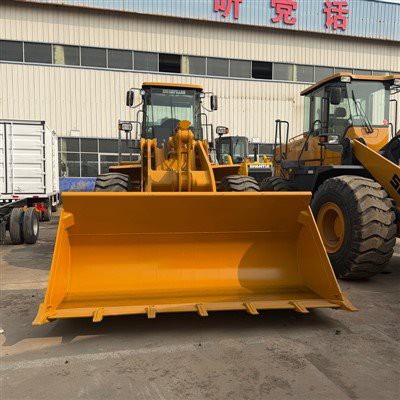
If you’re looking for a used paver that’s been properly stored, or you need more tips on keeping yours in shape, reach out. I’ve got a fleet of machines that go through my prep process before they hit the lot, and I’m always happy to talk shop—whether you’re a small contractor with one paver or a big operation with a whole fleet. Don’t let bad storage ruin your equipment; let’s make sure you’re ready to go when the first warm day hits.
Tank Semi-trailer References
- National Asphalt Pavement Association. (2021). Off-Season Storage Guidelines for Heavy Construction Equipment. NAPA Technical Bulletin 2021-04.
- Construction Equipment Association. (2022). Best Practices for Storing Asphalt Pavers During Extended Idle Periods. CEA Equipment Care Report 22-11.
- EquipmentWatch. (2023). Used Construction Equipment Storage: Cost Savings from Proper Off-Season Preparation. Industry Analysis Report.
Liangshan Guanyue Auto Trading Co., Ltd.
As one of the leading used asphalt pavers manufacturers and suppliers in China, we warmly welcome you to buy bulk high quality used asphalt pavers at low price from our factory. If you have any enquiry about pricelist and quotation, please feel free to email us.
Address: Liangshan County, Jining City, Shandong Province
E-mail: guanyuetruck@gmail.com
WebSite: https://www.gytruck.com/
