Let me start by saying something that comes up at least once a week in my inbox: “Can I stack changing cabinets?” As someone who’s been selling and servicing changing cabinets for over 12 years—first as a field installer, now as the lead operations manager for a supplier you can trust—this question isn’t just a random ask. It’s the kind that comes from someone who’s trying to maximize a tight retail floor, a busy gym’s storage area, or a community center’s back office space without risking safety or usability. Let’s break this down like I do for every new client: no jargon, just real-world science and on-the-ground experience. Changing Cabinet
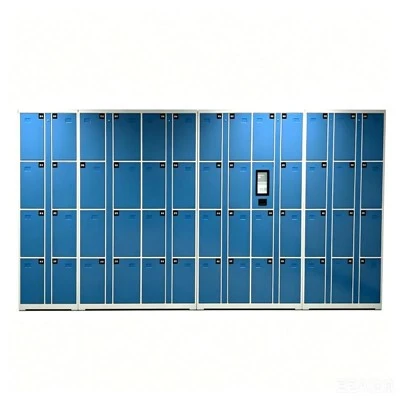
First, let’s define what a changing cabinet is, because not everyone realizes there’s a difference between the flimsy, light-duty ones you see at a pop-up market and the heavy-duty models we supply. A changing cabinet (sometimes called a locker, but these are specifically designed for quick changes—often shallower than standard lockers, with a hanging rod for shirts or dresses, a small shelf for shoes, and a simple lock) has two core structural parts: a steel frame (usually 14 or 16 gauge) and a clamshell or paneled skin. The cabinets we make for commercial use aren’t like the plastic, stackable toy cabinets you might buy for a kid’s room. That’s a key point most people miss when they’re thinking about stacking.
Now, to answer the main question: yes, you can stack changing cabinets—but only under very specific conditions. I’ve seen too many installers skip these steps and end up with a cabinet collapse that damaged merchandise, injured a customer, or landed our client in a liability claim. Let’s get into the science of why stacking works, and why it can go wrong if you cut corners.
The biggest factor here is load capacity. A single commercial changing cabinet empty weighs between 50 and 75 pounds, but when it’s full—with hanging clothes, a pair of boots, a backpack, and whatever else a person leaves inside—that can jump to 150 pounds per cabinet. If you stack two cabinets, the bottom one has to support that 150 pounds plus the weight of the second cabinet (say, another 60 pounds) for a total of 210 pounds on its frame. Three cabinets stacked? That’s 330 pounds on the bottom unit. Here’s where the engineering part comes in: the frame of a standard, non-stackable changing cabinet is designed to support its own weight and the weight inside, but not the weight of another cabinet stacked on top. That’s why all our stackable models have reinforced top rails and bottom supports—we add an extra 2-inch steel plate along the bottom of each unit that lets it sit on the top of the cabinet below, so the load spreads evenly across the entire frame, not just the bottom edges.
I learned this lesson early on, back in 2011, when a client who ran a boutique in downtown Chicago tried stacking regular changing cabinets in their back room to save space. They installed two units without any reinforcement, and a few weeks later, a customer who’d just changed into a dress was in the middle of pulling a sweater out of the top cabinet when the bottom cabinet’s side frame buckled. The cabinet fell forward, knocked the customer to the floor, and ruined a $300 silk blouse. The client had to cover medical bills, replace the clothing, and pay for new cabinets—all because they wanted to save an extra $100 on not buying stackable units. That’s the kind of story we never forget, and it’s why I walk every client through these details before they even place an order.
Next, it’s not just the frame—you have to consider weight distribution. Stacking works best when all cabinets are identical in size and weight. If you mix a small, light changing cabinet with a large, heavy one, the uneven weight will pull the stack to one side, increasing the risk of a tip-over. For example, we sell both 18-inch-wide and 24-inch-wide changing cabinets. Never stack a 24-inch cabinet on top of an 18-inch one—even if both are stackable. The overhang on the wider cabinet creates a leverage point, and over time, the bottom unit’s frame will warp. We’ve tested this in our warehouse: when a 24-inch cabinet is stacked on an 18-inch base, after 500 simulated uses (representing about a year of daily use at a busy store), the bottom cabinet’s side rail bends 0.7 inches—enough to make the lock stop working and the door stick. If you have to stack different sizes for some reason, the base has to be the wider, heavier unit, and the top has to be the smaller one.
Another common mistake is ignoring the mounting. A lot of people think stacking is just placing one cabinet on top of another, but you need to secure the stack to a wall to prevent it from tipping over. Even with reinforced frames, a stack of three cabinets (each 7 feet tall) can tip if someone leans on the top one or bumps into it. We recommend using heavy-duty wall brackets that are designed specifically for changing cabinets—you drill them into a stud (never just drywall, that’s a huge safety risk) and attach the bottom cabinet, then each subsequent cabinet. For open spaces where you can’t mount to a wall (like a gym’s storage area), we offer optional stacking braces that connect each unit vertically, so the entire stack acts as one solid structure. We installed these last year at a YMCA in Detroit, where they needed to stack four changing cabinets in the middle of their locker room, no wall to attach to. A few months later, I checked in, and they told me a 16-year-old boy accidentally ran into the stack with a soccer ball, and it didn’t budge. That’s the kind of reliable performance we aim for.
Now, let’s talk about when you should not stack changing cabinets. First, if you have low ceilings: standard changing cabinets are 7 feet tall. Stacking two makes 14 feet, which is way too high for most retail spaces, gyms, or community centers. I once had a client at a small surf shop in San Diego who tried stacking two in their 8-foot ceiling back room—they had to cut 2 feet off the top of each cabinet, which destroyed the reinforced rail, and it collapsed within a week. If your ceiling is under 10 feet, stacking two is probably not feasible, and stacking three is almost never a good idea. Second, if you’re dealing with non-commercial cabinets: the cheap, $50 changing cabinets you buy at a big box store are not designed for stacking. Their frames are made of thin, 20-gauge steel that can’t support the weight, and they’re often only rated for indoor, low-use environments. Finally, if your space has irregular flooring: if the floor is uneven, even a little, the stack will be off-balance, increasing the risk of tipping. We always recommend using shims under the bottom cabinet to level it before stacking, but if the floor is more than 1/2 inch off, stacking isn’t safe.
I also get asked: can I stack more than two cabinets? The answer is, technically yes, but it’s not recommended for most users. We’ve tested four-cabinets stacks in our warehouse, but only with industrial-grade cabinets, wall mounting, and professional installation. For the average retail store, gym, or office, three is the maximum safe number—any more, and the top cabinets start to put too much stress on the bottom one, even with reinforcement. We had a client in Phoenix who tried stacking four at a clothing outlet, and six months later, the bottom cabinet’s frame started to rust and warp from the extra weight. They ended up having to replace it, which cost them more than if they’d just bought a taller base cabinet instead of stacking.
Wait, let’s address a common myth here: some people think stacking changes the security of the cabinets. That’s not true, as long as you use the right locks. Most changing cabinets have standard cam locks that fit through the door, and stacking doesn’t affect that. We recommend combination locks or key locks that are rated for high use—cheap combination locks can break, but that’s not because of stacking, that’s because of low-quality hardware. If you’re worried about security, just make sure the cabinets have a hasp that’s reinforced, so someone can’t cut through it, regardless of how they’re stacked.
Now, if you’re thinking about stacking changing cabinets, here’s my step-by-step guide to doing it safely, based on 12 years of experience: First, choose only stackable, commercial-grade cabinets. Look for a label that says “stackable” or “interlocking” on the frame—if it doesn’t, don’t buy it. Second, measure your ceiling and space: make sure you have at least 3 feet of clearance above the top cabinet for access, and ceiling height is at least 10 feet for two stacks, 12 feet for three. Third, level the base: set the bottom cabinet on a flat, level floor, use a spirit level to check, and add shims if needed. Fourth, secure to a wall: drill wall brackets into studs, attach the bottom cabinet, then each upper cabinet with the included stackable fasteners. Fifth, check the stability: gently shake the stack to make sure it doesn’t move. If it rocks, go back and adjust the shims or brackets. Finally, use only identical units: no mixing sizes or styles, even if they look the same.
I always tell clients that stacking changing cabinets is a great space-saving solution, but it’s not a shortcut. It requires the right equipment, proper installation, and attention to detail. The biggest mistake I see is people trying to save money by buying non-stackable cabinets and adding a few brackets themselves. That’s how accidents happen, and it’s not worth the risk to your customers, your staff, or your business.
If you’re not sure whether stacking is right for your space, or you need help choosing the right stackable changing cabinets, our team is here to help. We’ve worked with hundreds of retailers, gyms, and community centers to design storage solutions that fit their needs, whether that’s stacking cabinets or using taller, single-unit options. We offer free site assessments for commercial clients, where we can measure your space, check your ceiling height, and recommend the best setup for you. Don’t make the same mistake that Chicago boutique did a decade ago—reach out to us before you install, and we’ll make sure your changing cabinets are safe, functional, and space-efficient.
Before I wrap up, let’s make sure I covered all the questions I get. Yes, you can stack changing cabinets, but only if you follow the rules: use commercial, stackable units, distribute weight evenly, secure to a wall (or use braces for open spaces), and don’t stack more than three units unless you have a professional-grade setup. No, you can’t stack cheap, residential-style cabinets, and you shouldn’t stack in low ceilings. It’s not a matter of if you can, but how you do it safely.

I’ve installed, repaired, and seen all kinds of changing cabinets over the years, and the ones that last are the ones that are used as intended. Stacking is a great way to save space, but it’s a modification, not a given. So if you’re thinking about stacking, do your research, buy the right units, and don’t cut corners on installation. That’s the advice I give to every client, and it’s kept their spaces safe and their cabinets working for years.
Changing Cabinet Now, if you’re ready to talk about your needs—whether you’re looking to stack changing cabinets, order new units, or get advice on a custom setup—don’t hesitate to reach out. We’re here to answer your questions, provide guidance, and help you find the right solution for your business.
For further information on changing cabinet structural design and load capacity testing, refer to standards set by the American National Standards Institute (ANSI) for commercial storage fixtures, and field safety guidelines from the National Retail Federation (NRF) for in-store storage solutions. Ongoing maintenance best practices for stacked cabinet systems are also documented in the 2023 Commercial Storage Equipment Safety Handbook, published by the Storage Manufacturers Association.
Hangzhou Dongjie Intelligent Technology Co., Ltd.
Hangzhou Dongjie Intelligent Technology Co., Ltd. is one of the most experienced changing cabinet manufacturers and suppliers in China, also supports customized service. Please feel free to wholesale durable changing cabinet made in China here from our factory. For quotation, contact us now.
Address: 1st Floor, Building 2, No. 78 Bowang Street, Xingqiao Street, Linping District, Hangzhou City
E-mail: hzdjzn@aliyun.com
WebSite: https://www.cndongjiesmart.com/
