If you’re reading this, you’re likely the kind of person who relies on their high pressure washer to get the job done—whether you’re a professional contractor who strips years of grime from commercial parking lots, a homeowner who turns a neglected driveway into something that looks almost new, or a small business owner who runs a fleet of cleaning services out of a garage. I’ve been in your shoes, more than you might think. I’m [Your Name], a co-owner at a high pressure washer supplier that’s been operating for over 12 years, and I’ve answered this question thousands of times over the phone, in our service bay, and in emails to customers who’ve noticed their washer starting to squeal, lose pressure mid-job, or just feel sluggish when they pull the trigger on the wand. High Pressure Washer
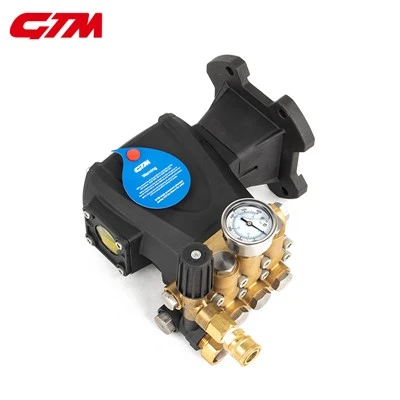
Today, let’s talk about something that’s easy to overlook, but critical to keeping your machine running like it’s brand new: lubricating your pressure washer pump. A lot of people treat their washer like a set-it-and-forget-it tool—fuel it up, hook up the hose, and go—until something breaks. But the pump is the heart of your pressure washer, and without proper lubrication, it’s going to wear out fast, even if you use your machine only a few times a year. I’ve seen perfectly good pressure washers go from $800 on the shelf to a $400 repair bill because the owner skipped pump lubrication for 3 years. Don’t be that person.
First, let’s get one thing straight: not all pressure washer pumps are the same, and not all of them need the same kind of lubrication. There are three main types of pumps in use today, and each has its own lubrication rules. Let’s break them down so you don’t get the wrong stuff and make a bad situation worse.
The first type is the axial cam pump. This is the most common pump on entry-level pressure washers—you’ll find it on most machines under $1,000, the ones you pick up at the home improvement store for weekend projects. Axial cam pumps are compact, lightweight, and designed for occasional use. They’re lubricated with oil, just like a car engine, and that oil sits in a crankcase at the bottom of the pump. These pumps don’t require as much maintenance as their bigger siblings, but they also tend to wear out faster if you skimp on oil changes.
The second type is the triplex plunger pump. This is the workhorse pump for professional grade pressure washers, the ones that cost $1,500 and up. You’ll find these on machines used for daily commercial cleaning—washing food trucks, power washing construction sites, cleaning apartment complex exteriors. Triplex plunger pumps are built to handle high volumes of pressure and continuous use, and they use either oil or grease, depending on the model. Most of our commercial customers use these, and I can tell you, their maintenance routine is non-negotiable. Skipping lubrication on a triplex plunger pump is like driving a truck without oil in the engine—it’s just a matter of time before it seizes up.
The third type is the rotary pump, which is less common these days, but still pops up on some older machines. Rotary pumps use grease as their primary lubricant, and they require a bit more finesse to work on, since their grease fittings are often tucked away in hard-to-reach places. If you have a 10-year-old pressure washer that’s still running strong, it might have a rotary pump—we still get questions about those, so we’ll cover them too.
Now, before you grab the nearest can of oil from your garage, let’s talk about the biggest mistake people make when lubricating their pumps: using the wrong fluid. For axial cam pumps, you don’t want to use 10W-30 motor oil. That’s not the right viscosity, and it breaks down too fast under the high pressure and heat of a pressure washer pump. The correct fluid for almost all axial cam pumps is SAE 30 non-detergent pump oil. Detergent oil has additives that are designed to keep engine parts clean, but those same additives can cause foaming in the pump, which leads to air bubbles, reduced pressure, and overheating. We recommend this oil to every customer with an axial pump, and we even sell it in our shop in 1-quart bottles—small enough for a single oil change, affordable enough to keep on hand for regular maintenance.
For triplex plunger pumps, the rule is a little more specific. If your pump uses oil, it’s usually a high-viscosity pump oil—like SAE 10W-40 or SAE 30, but again, non-detergent. Some higher-end triplex pumps use synthetic oil, which is better for high-temperature, continuous use, and it lasts longer between changes. We always check the manual first for these pumps, because some manufacturers specify a brand, like K-Series pump oil or General Pump oil, to avoid warranty issues. If your pump uses grease instead of oil, that’s lithium-based high-temperature grease, specifically designed for high-pressure applications. Regular wheel bearing grease won’t cut it here—it’ll melt under the heat and leave your pump parts dry.
And for those of you with rotary pumps, the grease is a special multi-purpose lithium complex grease, rated for extreme pressure. Don’t use household grease here either—it will break down in a matter of months.
Now that we’ve covered what kind of lubricant to use, let’s walk through the actual process, step by step. I’m going to focus on the two most common pump types—axial cam and triplex plunger—since rotary pumps are less common, and we can cover those in a separate guide if enough customers ask. This process is simple, takes about 15 minutes, and will save you thousands of dollars in repairs down the line.
First, prep. You need to make sure your pressure washer is turned off, unplugged (if electric) or the fuel line disconnected (if gas) to prevent accidental starts. Let the pump cool down for at least 30 minutes—if you work on a hot pump, the oil will be thin and will spill all over the place, and you risk burning yourself. Also, grab a catch pan (an old baking sheet works if you don’t have one), rags, a funnel, and the correct lubricant for your pump. Lay down a tarp or old newspaper under the pump to catch any spills—oil on your garage floor is a pain to clean up, and you don’t want to track it all over your driveway.
Next, locate the pump. On most pressure washers, the pump is mounted right next to the engine, usually on the side opposite the air filter. You’ll see two ports on the pump: the fill port and the drain port. They’re usually marked with a small cap, often labeled “OIL” or “LUBE.” On some smaller axial cam pumps, the fill port is the larger one, and the drain port is a small plug at the bottom of the pump housing.
Step 1: Drain the old lubricant. Place your catch pan under the drain port, then unscrew the drain plug slowly. Be careful here—oil that’s been sitting in the pump for years is going to be old, and it might come out in gunk chunks if it’s really degraded. Let all the old oil drain out completely. While you’re waiting, take a rag and wipe down the drain plug and the area around the drain port to get rid of any dirt or grime. If the old oil looks cloudy, foamy, or has metal shavings in it, that’s a sign your pump is already starting to wear out—don’t panic, but it’s a good idea to keep an eye on the pressure and temperature of your washer over the next few uses.
Step 2: Refill with new lubricant. Once all the old oil is drained, screw the drain plug back in tightly. Now, take your funnel and insert it into the fill port. Slowly pour in the new lubricant. Don’t overfill here—overfilling is just as bad as underfilling, because it causes pressure buildup in the pump, which can damage seals and lead to leaks. How much lubricant do you need? That’s where the manual comes in. For most axial cam pumps, it’s about 8 to 12 ounces of SAE 30 pump oil. For triplex plunger pumps, it’s usually between 16 and 20 ounces, depending on the model. If you don’t have the manual, don’t guess—you can check our website, or give us a call, and we can look up the specs for your model. We keep records of every pressure washer we sell, and we have the specs for most major brands’ pumps on file.
Step 3: Check the level. Once you’ve poured in the correct amount, wait a minute for the oil to settle, then check the level. Some pumps have a level mark on the inside of the fill port—you can see it if you look closely. For pumps without a level mark, there’s a small hole on the side of the pump called the level check port. Unscrew that plug, and if oil drips out, that means it’s full. If it doesn’t drip out, add a little more until it does. Then, screw the level plug back in, wipe down any excess oil, and you’re done.
Wait, what about grease? For pumps that use grease, the process is a little different. Instead of drain and refill, you’ll have grease fittings on the pump body. With the pump turned off, and cool, wipe down the grease fitting with a rag to get rid of dirt. Attach a grease gun filled with the correct high-pressure grease, and pump slowly until you see a small amount of old grease starting to come out of the seal around the pump. That means you’ve replaced the old, contaminated grease with fresh new grease. Don’t over-grease—you’ll blow out the seals. For rotary pumps, this process is similar, just make sure you’re using the right type of grease, and you’ll get more practice as you go.
Now, how often do you need to do this? That’s the question we get more than any other. For entry-level axial cam pumps, we recommend changing the oil every 50 hours of use, or at least once a year, even if you only use your washer a few times. Most homeowners use their pressure washer for 10 to 20 hours a year, so once a year is safe. For commercial triplex plunger pumps, you’ll want to change the oil every 100 hours of use, since those pumps are running almost every day. We have a lot of contractors who mark their calendars to do oil changes after every 10 jobs, and that’s exactly what we tell them to do. Grease pumps should be greased every 3 months, or every 50 hours, whichever comes first. If you’re noticing squealing when you start the pump, that’s a sign you’re overdue for lubrication—don’t wait until it seizes up.
I also want to cover a few common mistakes that I see all the time, because these are the things that ruin pumps faster than anything. First, mixing different types of lubricants. If you put motor oil in an axial pump one time, and then switch to pump oil the next, that can cause foaming and damage to the pump parts. Stick to one type, and make sure you’re using the right viscosity. Second, not cleaning the pump before lubricating it. If you have dirt and grime around the fill or drain ports, that can get into the pump when you open it, and that dirt will act like sandpaper on your pump’s internal parts. Always wipe down those ports before you unscrew them. Third, using generic lubricants. We get customers all the time who go to the auto parts store and buy the cheapest oil they can find, and then wonder why their pump dies after a year. Our pump oil is specifically formulated to handle the high pressure and temperature that pressure washer pumps generate—generic motor oil just isn’t built for that kind of stress.
Last month, we had a customer bring in a 2-year-old axial pressure washer that wouldn’t build any pressure. He said he used it 4 times a year, so he figured he didn’t need to change the oil. When we took the pump apart, the camshaft was completely worn down, because the old oil had turned to sludge and couldn’t lubricate the parts. The repair cost more than half of what he paid for the washer. If he’d changed the oil once a year, that repair would have been unnecessary, and he would have saved hundreds of dollars.
At the end of the day, lubricating your pressure washer pump isn’t hard, but it’s essential. It’s the difference between a machine that lasts 10 years and one that dies in 2. We sell a lot of pressure washers, and we stand behind every one we sell, but the number one reason customers come back for repairs is poor pump maintenance. If you’re not sure how to check your pump’s oil level, or what kind of lubricant you need, we’re here to help. We don’t just sell machines—we help you keep them running.
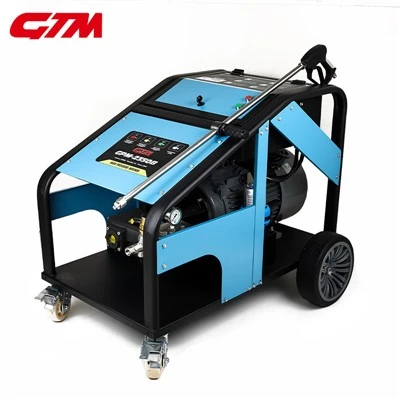
If you’re in the market for a new pressure washer, or you need replacement parts, lubricants, or service for your existing machine, our team is ready to assist. We work with homeowners, contractors, and small business owners, and we can help you find the right machine and maintenance routine for your needs. Contact us to discuss your requirements, and we’ll help you keep your pressure washer in top shape for years to come.
High Pressure Nozzle References:
- Pressure Washers Technical Manual. Pump Maintenance Best Practices, 2022.
- General Pump Performance Guidelines. Lubrication Requirements for High Pressure Pumps, 2021.
- Axial Cam Pump Operation and Maintenance. National Pressure Washing Association, 2020.
- Rotary Pump Lubrication Standards. Pressure Equipment Safety Institute, 2019.
- Commercial Pressure Washer Maintenance Schedule. Professional Contracting Association, 2022.
Zhejiang GTM Hi-Tech Intelligent Equipment Co., Ltd.
We are one of the most experienced high pressure washer manufacturers and suppliers in China, also support customized service. Please feel free to buy discount high pressure washer for sale here from our factory. Quality products and reasonable price are available.
Address: No.5 of Changjiang Road, 2nd Economic Development Zone of Wenling, Zhejiang, China
E-mail: yehuanting1@hongyemfg.com
WebSite: https://www.gtmplungerpump.com/
