Introduction
As a dedicated supplier of injection-molded products, I’ve witnessed firsthand the dynamic nature of the industry. Developing new products through injection molding is an exhilarating journey, filled with innovation and the promise of meeting market demands. However, it’s also a path fraught with challenges, especially when it comes to optimizing the injection molding process parameters. This blog post will delve into the essential steps and strategies for fine-tuning these parameters to achieve high-quality, cost – effective, and efficient production of new injection – molded products. Injection Molded Products
Understanding the Basics of Injection Molding Process Parameters
Before we dive into optimization, it’s crucial to understand the key process parameters in injection molding. These parameters directly influence the quality, appearance, and mechanical properties of the final product.
- Melting Temperature: The melting temperature of the plastic resin is of utmost importance. It determines the viscosity of the molten plastic. A too – low temperature may result in incomplete filling of the mold cavity, leading to short shots and surface defects. Conversely, an excessively high temperature can cause thermal degradation of the resin, affecting the mechanical strength and appearance of the product.
- Injection Speed: Injection speed affects how quickly the molten plastic fills the mold cavity. A high injection speed can help fill complex – shaped molds more effectively, but it may also cause air traps, jetting, or excessive stress in the part. A low injection speed, on the other hand, may lead to cold weld lines and incomplete filling, especially in thin – walled sections.
- Packing Pressure and Time: Packing pressure and time are used to compensate for the shrinkage of the plastic as it cools. Proper packing pressure ensures that the mold cavity is fully filled, and the part retains its dimensional accuracy. Insufficient packing pressure or time can result in sink marks and voids, while excessive packing can cause flash and high internal stresses.
- Cooling Time: Cooling time is essential for setting the shape of the injection – molded part. A proper cooling system and sufficient cooling time are necessary to prevent warping, dimensional instability, and uneven shrinkage. Shortening the cooling time too much can lead to premature ejection of the part, causing it to deform.
Step 1: Material Selection and Analysis
The first step in optimizing injection molding process parameters for new products is to carefully select the appropriate plastic resin. Different resins have different melting points, flow characteristics, and shrinkage rates.
- Research and Testing: Thoroughly research the properties of various resins based on the requirements of the new product. Conduct small – scale material testing to understand how the resin behaves under different processing conditions. For example, if the product requires high impact resistance, polycarbonate or acrylonitrile butadiene styrene (ABS) might be suitable candidates.
- Material – Processing Compatibility: Consider the compatibility between the resin and the injection molding machine. Some high – performance resins may require specialized equipment or higher processing temperatures. Ensure that the chosen resin can be processed smoothly on your existing or planned machinery.
Step 2: Mold Design and Optimization
The mold design has a significant impact on the injection molding process. A well – designed mold can simplify parameter optimization and improve product quality.
- Flow Path Analysis: Use computer – aided engineering (CAE) software to analyze the flow path of the molten plastic within the mold. This analysis can help identify potential areas of flow restriction, air traps, or uneven filling. Modify the gate location, runner size, and mold cavity geometry based on the simulation results to ensure uniform and efficient filling.
- Cooling System Design: Design an efficient cooling system for the mold. Proper cooling channels can reduce cooling time, improve part quality, and extend the mold’s lifespan. Consider factors such as the shape of the part, the material’s thermal conductivity, and the cooling medium used.
Step 3: Process Parameter Tuning through Trial and Error
Trial and error is often an inevitable part of optimizing injection molding process parameters, especially for new products. However, it can be made more efficient with a systematic approach.
- Initial Parameter Setup: Based on the material properties and mold design, set initial process parameters. Use the resin manufacturer’s guidelines as a starting point. For example, if the resin has a recommended melting temperature range of 200 – 230°C, start with the mid – point of this range.
- Incremental Adjustments: Make small, incremental adjustments to one parameter at a time while keeping the others constant. For example, start by adjusting the injection speed in small steps and observe the changes in the part’s appearance and quality. Document each change and its corresponding results carefully.
- Quality Control: Conduct regular quality checks on the produced parts. Use tools such as卡尺 (calipers) for dimensional measurement, visual inspection for surface defects, and mechanical testing for strength and durability. These quality control measures will help you determine whether the parameter adjustments are moving in the right direction.
Step 4: Statistical Process Control (SPC)
Once the initial parameter optimization is complete, implement statistical process control to maintain consistent product quality.
- Data Collection: Continuously collect data on process parameters and product quality characteristics during production. This data can include temperature readings, pressure values, and part dimensions.
- Process Monitoring: Use statistical techniques such as control charts to monitor the process. Control charts can help detect any variations in the process parameters or product quality over time. If a process parameter goes out of control, take corrective actions immediately.
- Continuous Improvement: Analyze the SPC data regularly to identify opportunities for further process improvement. Look for trends or patterns in the data that may indicate areas where the process can be optimized further.
Step 5: Cost – Benefit Analysis
Optimizing injection molding process parameters is not only about improving product quality but also about reducing costs.
- Cycle Time Reduction: By optimizing the process parameters, aim to reduce the cycle time of the injection molding process. A shorter cycle time means higher production efficiency and lower production costs. For example, reducing the cooling time through better mold cooling design can significantly increase the number of parts produced per hour.
- Material Waste Reduction: Minimize material waste by ensuring proper filling and packing of the mold. Over – packing can lead to excessive flash, which is wasted material. By optimizing the packing pressure and time, you can reduce flash and save on material costs.
- Energy Consumption: Evaluate the energy consumption of the injection molding process. Optimize parameters such as the melting temperature and injection speed to reduce energy usage without sacrificing product quality.
Conclusion
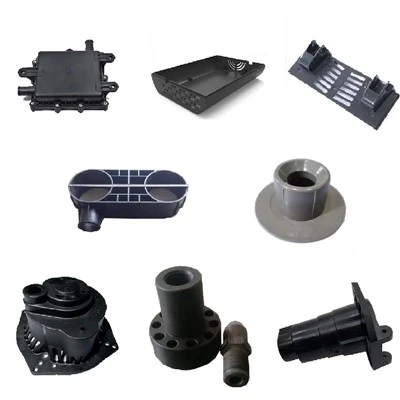
Optimizing the injection molding process parameters for new products is a complex but rewarding task. It requires a comprehensive understanding of the process, the materials, and the mold design. By following the steps outlined in this blog post, you can achieve high – quality, cost – effective, and efficient production of injection – molded products.
Firefighter Safey Switch We are committed to providing our customers with the best – in – class injection – molded products. Our team of experienced engineers and technicians is constantly working on optimizing the process to meet the ever – changing needs of the market. If you are in the market for high – quality injection – molded products, or if you have a new product idea that you want to bring to life through injection molding, we’d love to discuss it with you. Contact us to start a conversation about your procurement needs and let’s work together to create innovative solutions.
References
- "Injection Molding Handbook" by O. Olajide, which provides in – depth knowledge on the injection molding process.
- Academic papers on polymer processing and injection molding available in industry – related journals. These papers offer the latest research findings and best practices in optimizing injection molding parameters.
Wuxi Metik Precision Machinery Co., Ltd.
With over 25 years’ experience, we are one of the most reliable injection molded products manufacturers and suppliers in China. We warmly welcome you to buy customized injection molded products made in China here from our factory. If you have any enquiry about cooperation, please feel free to email us.
Address: Tsinghua Innovation Building, Huishan Economic Development Zone, Wuxi
E-mail: info@metik-metal.com
WebSite: https://www.metikmetal.com/
