Hey there! As a supplier of conveyor chains, I’ve seen my fair share of conveyor chain slippage issues. It can be a real headache for businesses, leading to disruptions in production, increased maintenance costs, and even safety hazards. So, I thought I’d share some tips on how to prevent conveyor chain slippage. Conveyor Chain

First off, let’s understand why conveyor chain slippage happens. There are a few common causes. One of the main reasons is improper tensioning. If the chain isn’t tensioned correctly, it can start to slip on the sprockets. Another cause is wear and tear. Over time, the chain and sprockets can wear down, reducing the grip between them and causing slippage. Contamination is also a big culprit. Dirt, dust, and other debris can get between the chain and sprockets, preventing them from meshing properly. And finally, incorrect sprocket selection can lead to slippage. If the sprockets are the wrong size or have the wrong tooth profile, the chain won’t fit properly and can slip.
Now that we know the causes, let’s look at some ways to prevent conveyor chain slippage.
Proper Tensioning
The first and most important step is to make sure the chain is properly tensioned. You can use a tension gauge to measure the tension. The ideal tension depends on the type of chain and the application. Generally, you want the chain to have a slight sag when it’s at rest. This sag allows the chain to expand and contract as it moves, which helps prevent over-tensioning.
Most manufacturers provide guidelines on how to tension their chains. Make sure you follow these guidelines carefully. If you’re not sure how to tension the chain, don’t hesitate to ask for help. We, as your conveyor chain supplier, are always here to assist you. We can provide you with detailed instructions on how to tension the specific chain you’ve purchased.
Regular Maintenance and Inspection
Regular maintenance and inspection are crucial for preventing conveyor chain slippage. You should inspect the chain and sprockets regularly for signs of wear. Look for things like stretched links, worn teeth, and signs of corrosion. If you notice any problems, replace the worn parts as soon as possible.
Cleaning the chain is also important. You can use a mild detergent and a brush to remove dirt and debris from the chain. Make sure you dry the chain thoroughly after cleaning to prevent rust. Lubrication is another key aspect of maintenance. Using the right lubricant can reduce friction between the chain and sprockets, which helps prevent wear and slippage. Different chains require different types of lubricants, so make sure you use the one recommended by the manufacturer.
Contamination Control
As I mentioned earlier, contamination can cause conveyor chain slippage. To prevent this, you need to keep the conveyor area clean. Install guards and covers to prevent dirt, dust, and other debris from getting onto the chain and sprockets. You can also use air blowers or vacuum systems to keep the area clean.
If your conveyor operates in a particularly dirty environment, you might consider using a self-cleaning chain or sprockets with special coatings that resist contamination. These can be a bit more expensive, but they can save you a lot of time and money in the long run by reducing the risk of slippage and extending the lifespan of your chain.
Correct Sprocket Selection
Choosing the right sprockets is essential for preventing conveyor chain slippage. The sprockets should be the correct size and have the right tooth profile to match the chain. You also need to make sure the sprockets are properly aligned. Misaligned sprockets can cause the chain to wear unevenly and slip.
When selecting sprockets, pay attention to the number of teeth. Generally, the more teeth a sprocket has, the smoother the operation and the less likely the chain is to slip. But you also need to consider the speed and torque requirements of your application. If you’re not sure which sprockets are right for your chain, we can help you with the selection process. We have a wide range of sprockets to choose from, and our experts can recommend the best ones for your specific needs.
Operator Training
Last but not least, operator training is very important. Make sure your operators know how to properly operate and maintain the conveyor system. They should be aware of the signs of chain slippage and know what to do if it occurs. Training can help prevent many common mistakes that can lead to chain slippage, such as overloading the conveyor or running it at the wrong speed.
In conclusion, preventing conveyor chain slippage requires a combination of proper tensioning, regular maintenance, contamination control, correct sprocket selection, and operator training. By following these tips, you can reduce the risk of chain slippage, increase the lifespan of your conveyor chain, and keep your production running smoothly.
If you’re having any issues with conveyor chain slippage or if you need help choosing the right chain and sprockets for your application, don’t hesitate to get in touch. We’re here to help you find the best solutions for your business. Whether you need a new chain, replacement sprockets, or just some advice on maintenance, we’ve got you covered.
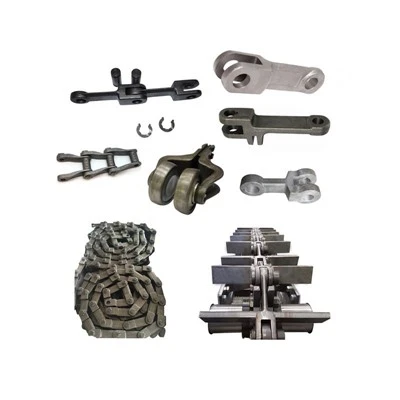
Reach out to us to start a conversation about your conveyor chain needs. We look forward to working with you to keep your operations running at their best.
Chain References
- Manufacturer’s manuals for conveyor chains
- Industry standards for conveyor chain installation and maintenance
- Technical papers on conveyor chain performance and reliability
Anhui Huihuang Chain Transmission Co., Ltd.
Anhui Huihuang Chain Transmission Co., Ltd. is one of the most professional conveyor chain manufacturers and suppliers in China, also supports high quality customized service. Please feel free to buy discount conveyor chain made in China here from our factory. Welcome to contact us for pricelist and free sample.
Address: NO.3 YONGQIANG ROAD. JIXI.ANHUI.CHINA
E-mail: 754590660@qq.com
WebSite: https://www.hhchains.com/
