As a supplier of Special Structure Molds, I’ve witnessed firsthand the challenges that come with maintaining these precision tools. Special Structure Molds are often designed for unique manufacturing processes, with complex geometries and intricate details. They are the backbone of many industries, from automotive to aerospace, consumer electronics to medical devices. Ensuring their longevity not only saves costs but also guarantees consistent product quality. In this blog, I’ll share some practical strategies to reduce the wear and tear of Special Structure Molds. Special Structure Mold
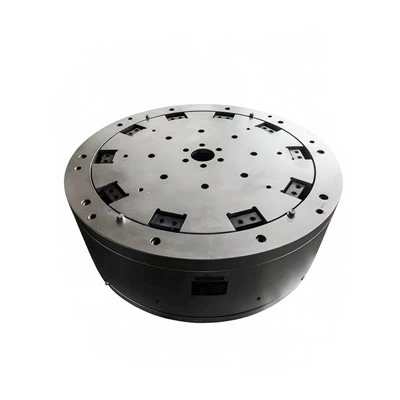
Material Selection and Treatment
The journey of reducing mold wear begins with the right material selection. High – quality tool steels are a popular choice for Special Structure Molds due to their excellent hardness, toughness, and wear resistance. When selecting steel, factors such as the type of molding process (e.g., injection molding, die – casting), the material being molded (plastics, metals), and the anticipated production volume should be considered.
For instance, if the mold is used for high – volume plastic injection molding, a corrosion – resistant and highly polished stainless steel may be the best option. The smooth surface of stainless steel not only reduces friction during the molding process but also prevents chemical attacks from certain plastics.
Heat treatment is another crucial step in enhancing the mold’s durability. Through processes like quenching and tempering, the tool steel can achieve the desired hardness and toughness properties. A well – heat – treated mold can withstand the high pressures and temperatures during the molding cycle without deforming or developing surface cracks. Additionally, surface treatments such as nitriding or chromium plating can be applied to further improve the mold’s wear and corrosion resistance. Nitriding forms a hard nitride layer on the mold surface, increasing its hardness and reducing friction, while chromium plating provides a smooth and wear – resistant finish.
Proper Mold Design
The design of a Special Structure Mold has a significant impact on its durability. One of the key aspects of mold design is minimizing stress concentrations. Sharp corners and edges in the mold cavity can act as stress raisers, making the mold more prone to cracking under high pressure. By incorporating rounded corners and fillets in the design, the stress distribution can be more evenly spread, reducing the risk of premature failure.
Another important design consideration is the cooling system. In many molding processes, efficient cooling is essential to ensure fast cycle times and high – quality products. A well – designed cooling system not only helps to solidify the molded material quickly but also prevents the mold from overheating. Overheating can cause thermal expansion, leading to dimensional inaccuracies and increased wear. Channels should be placed strategically in the mold to ensure uniform cooling and minimize temperature gradients.
Additionally, the ejector system in the mold should be carefully designed. It should be able to release the molded part smoothly without causing damage to the mold surface. Using proper ejector pins, sleeves, and stripper plates can prevent sticking and reduce the force required for ejection, thus minimizing wear on the mold.
Molding Process Optimization
Optimizing the molding process parameters is crucial for reducing mold wear. Temperature, pressure, and cycle time are three key factors that need to be carefully controlled.
In injection molding, for example, if the injection temperature is too high, it can cause excessive thermal stress on the mold and accelerate wear. On the other hand, if the temperature is too low, the plastic may not flow properly, leading to poor part quality and potential damage to the mold during ejection.
Similarly, pressure control is vital. Excessive pressure can cause the mold to deform, especially in areas of high stress. By carefully adjusting the injection pressure and holding pressure according to the material properties and mold design, the force exerted on the mold can be minimized.
Cycle time is also an important consideration. Running the molding process at an overly fast cycle time may not allow for proper cooling and solidification of the molded part, increasing the likelihood of part defects and mold wear. Conversely, a cycle time that is too long can be inefficient and may also lead to thermal fatigue in the mold.
Regular Maintenance and Inspection
Regular maintenance and inspection are essential for detecting and addressing potential issues before they escalate into major problems. Cleaning the mold after each production run is a basic but important maintenance step. Residual material, lubricants, and debris can accumulate on the mold surface, causing abrasion and corrosion over time. Using appropriate cleaning agents and tools, such as non – abrasive brushes and solvents, can help to remove these contaminants without damaging the mold surface.
In addition to cleaning, the mold should be inspected regularly for signs of wear, such as surface scratches, chips, and dimensional changes. Non – destructive testing methods, such as ultrasonic testing and dye – penetrant inspection, can be used to detect internal cracks and defects in the mold. Any worn or damaged parts should be replaced promptly to prevent further damage to the mold.
Lubrication is also an important part of mold maintenance. Applying a suitable lubricant to the moving parts of the mold, such as ejector pins and slides, can reduce friction and wear. However, it’s important to use the right type of lubricant and apply it in the correct amount, as excessive lubrication can attract dirt and debris, causing more harm than good.
Operator Training
Well – trained operators play a crucial role in reducing mold wear and tear. Operators should be familiar with the proper operation of the molding equipment and the specific requirements of the Special Structure Mold. They should know how to set the correct process parameters, handle the mold safely, and perform basic maintenance tasks.
Training programs should cover topics such as mold installation and removal, process parameter adjustment, cleaning and lubrication procedures, and troubleshooting common mold problems. By providing comprehensive training to operators, the risk of human – error – induced mold damage can be significantly reduced.
In conclusion, reducing the wear and tear of Special Structure Molds requires a comprehensive approach that encompasses material selection, mold design, process optimization, maintenance, and operator training. By implementing these strategies, manufacturers can extend the service life of their molds, improve product quality, and reduce production costs.
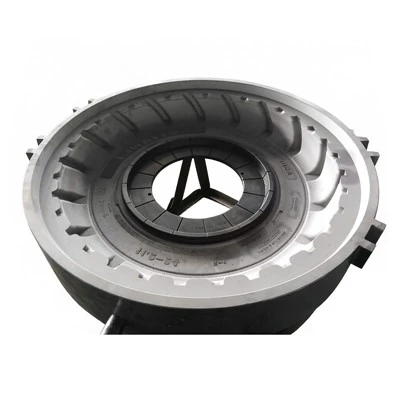
If you are in the market for high – quality Special Structure Molds or need advice on mold maintenance and wear reduction, I’d be more than happy to assist you. Feel free to reach out to me, and we can have a detailed discussion about your specific needs and how our products can meet your requirements.
Two Piece Mold References:
- "Tool and Manufacturing Engineers Handbook", Society of Manufacturing Engineers
- "Plastic Mold Engineering", T. A. Osswald, P. Hensen, and G. Menges
- "Die Casting Handbook", American Foundry Society
Anhui Varon Mould Co., Ltd.
We are one of the most professional special structure mold manufacturers and suppliers in China, also support customized service. We warmly welcome you to wholesale premium special structure mold made in China here from our factory. If you have any enquiry about cooperation, please feel free to email us.
Address: Anhui Province, Ningguo City, Economic and Technological Development Zone, Heli Industrial Park, Dongcheng Avenue
E-mail: admin@varonmould.com.cn
WebSite: https://www.wanlongmold.com/
