Hey there! If you’ve ever been to a concert, theater production, or even a local community play, you know how smooth, heavy stage equipment looks. Backdrops, speaker stacks, lighting trusses, those big scenic flats that turn a stage into a whole other world—someone’s gotta get ‘em up there safely, right? I get asked this question all the time from event techs, production managers, and even small-time venue owners: “Can a lift table actually handle stage equipment lifting?” As a lift table supplier who’s been in the game for over 10 years, let me cut through the noise and tell you the straight scoop. Lift Table
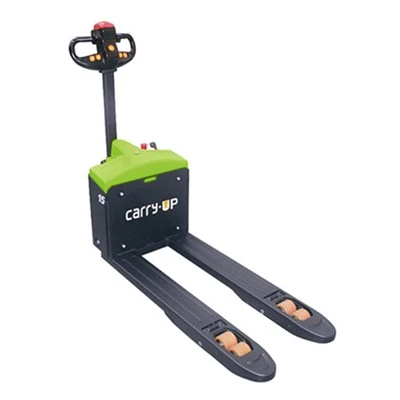
First off, let’s clear up what a standard lift table is, because a lot of people mix ‘em up with scissor lifts or aerial work platforms. We’re talking about heavy-duty, stationary or semi-stationary units with a hydraulic scissor mechanism, built to lift big, flat loads evenly. Unlike a scissor lift that a worker stands on, our lift tables are designed to support entire pallets, equipment racks, or custom stage rigs without tipping, no matter where the weight is placed. That even load distribution is key for stage gear, which isn’t always super easy to balance.
Wait, but why would someone use a lift table instead of a dedicated stage hoist? Let’s start with the pros, because that’s where the value really is. A huge one is versatility. I’ve seen production teams use our lift tables for all kinds of stage needs: lifting 500-pound speaker stacks onto the sides of a stage, hoisting lighting consoles up to wing areas, even raising full backdrops that are too wide for a regular stage crane. You can adjust the height to exactly what you need—no guesswork, no climbing ladders with 100-pound light fixtures. It’s way more stable than dragging gear up ramps, too; those ramps are a trip hazard when you’re hauling heavy stuff in a hurry, especially during a last-minute set change.
Then there’s safety. Let’s be real, stage work has a high risk of injuries—back strains, falls, dropped equipment. A lift table lets you position gear at working height without anyone having to lift it manually or balance it on a wobbly ladder. Our models come with safety features like guard rails, non-slip platforms, and overload sensors that shut the unit down if you try to lift too much. I had a client last year who runs a regional theater; they used to have two guys hoist a 700-pound scenic wall up to the stage level, and they had a close call when the wall slipped on the ramp. Now they use our 2,000-pound capacity lift table, and no one’s had a single issue since. That’s the kind of real-world win I live for.
Cost is another big one. Dedicated stage lifting rigs can be pricey to rent or buy—like, thousands of dollars per week for a big hoist. A lift table is a one-time investment, and you can use it for way more than just stage stuff. A lot of our clients use ‘em for loading/unloading gear from trucks, moving props around the venue, even adjusting their workshop tables for maintenance. It’s a multi-use tool, not just a single-purpose stage toy.
But hold on, it’s not all sunshine and hydraulics. There are limits to what a lift table can handle, and that’s where people get tripped up. First, weight capacity. Sure, we have models that go up to 10,000 pounds, but if you’re trying to lift a whole stage platform that’s 5,000 pounds with uneven weight distribution, you need a table rated for that. A lot of cheap, off-brand lift tables only handle 500 or 1,000 pounds, so you’ve got to match the unit to the load. Don’t try to cut corners here—one of my clients tried using a cheap 1,500-pound table for a 2,000-pound lighting truss, and it got damaged so bad they had to replace it. Lesson learned.
Next, height. Lift tables are great for lifting 1 to 4 feet, maybe 5 if you get an extended model. If you need to lift gear 10 or 20 feet up, a lift table won’t cut it—you’d need a scissor lift or a stage hoist. But for stage equipment that needs to be at stage level, or just a few feet above, they’re perfect. I also should mention mobility: some lift tables are stationary, so you can only use ‘em in one spot. If you need to move gear around the venue, get a mobile lift table with casters. Those are a bit pricier, but they let you roll the table right up to the stage door, load gear, and move it where you need it without a forklift.
Another thing: stage spaces are tight. A lot of small theaters or community venues don’t have a lot of extra floor space. Compact lift tables are perfect here—they fit through standard doorways, so you don’t have to worry about fitting the unit into a backstage area that’s only 3 feet wide. I’ve had clients with tiny black box theaters who swear by our compact models because they don’t take up valuable floor space when they’re not in use.
Wait, let’s talk about a common misconception: lift tables are too “industrial” for stage use. Nope, not anymore. We make custom tops for our lift tables—non-slip rubber mats, cutouts for stage rigging, even custom colors to match a venue’s branding. One of my clients for a major music festival had us build a lift table with a top that blended in with their stage design, so when it’s not in use, it looks like part of the floor, not a big metal industrial unit. That’s the kind of attention to detail that works for both stage and industrial use.
I also want to share a quick story from a local event production company I work with. Last year, they had a last-minute change for a country music tour: they needed to add three new large LED screens to the stage, and the original plan to rent a hoist fell through because of a scheduling mix-up. They called me on a Friday afternoon, and we got a mobile 3,000-pound lift table delivered by Saturday morning. Their crew used it to lift each screen onto the stage in 15 minutes each—way faster than trying to haul them up a ramp, and no injuries. They still use that table for every tour stop now. That’s the real value right there: being flexible when things go sideways.
So, when is a lift table the right call? Let’s break it down: if you’re lifting gear that’s 1,000 to 5,000 pounds, needing to raise it 1 to 5 feet, working in a space with limited room, and you want a safe, cost-effective tool that does double duty—yes, a lift table is perfect. If you need to lift more than 5,000 pounds, or raise gear more than 5 feet, or have super tall, narrow items like a pole that can’t sit flat on the table, then you’ll want a different tool.
Now, before you go rushing to buy or rent one, here’s a few tips from someone who’s seen it all. First, measure your stage equipment. Get the exact dimensions and weight of whatever you’re lifting—don’t guess. Then, pick a lift table with a capacity that’s 20% higher than your heaviest load. That buffer will keep you safe and prevent overloading. If you need to move it around, go mobile. If it’s just for backstage, stationary is fine. And if you have weird-shaped gear (like a curved backdrop or a tall speaker cabinet), get a lift table with adjustable forks or a custom top so it fits perfectly.
As for maintenance? A good lift table will last you 10+ years if you keep up with basic stuff: check the hydraulic fluid every few months, keep the platform clean, and make sure the scissor mechanism is free of debris. We include a simple maintenance guide with every table we sell, and our team is always here to answer questions if something comes up.
At the end of the day, stage work is all about getting the job done safely and efficiently, without breaking the bank. A lot of people sleep on lift tables because they think they’re just for warehouses, but once you start using one for stage gear, you’ll never go back. I’ve seen ‘em save crews hours of time, prevent injuries, and make last-minute set changes way less stressful.
If you’re a production manager, venue owner, or event tech who’s tired of struggling with manual lifts or expensive rental equipment, don’t hesitate to reach out. We can help you figure out the right lift table for your needs, whether you’re a small community theater or a big festival production. No pressure, just honest advice from someone who’s been in this industry long enough to know what works.
Narrow Reach Trucks References
- Occupational Safety and Health Administration (OSHA). (2022). “Material Handling Guidelines for Event Venues.” U.S. Department of Labor.
- Lift Manufacturers Association (LMA). (2021). “Heavy-Duty Lift Table Applications: Industrial vs. Entertainment.” LMA Technical Bulletin 04-21.
- Event Safety Alliance. (2020). “Stage Equipment Lifting Best Practices for Small to Mid-Size Productions.” Event Safety Guide, 5th Edition.
- National Institute for Occupational Safety and Health (NIOSH). (2023). “Back Injury Prevention in Performing Arts Settings.” NIOSH Publication No. 2023-105.
Hangzhou Carry Equipment Co., Ltd.
Address: No.360 Tongxiang Rd., Yinzhou Economic Development Zone, Yinzhou Dist., Ningbo, China
E-mail: Sales@carryupmhe.com
WebSite: https://www.carrymhe.com/
