The Balance of Payments (BOP) is a crucial indicator that reflects a country’s economic transactions with the rest of the world over a specific period. It encompasses a wide range of activities, including trade in goods and services, income from foreign investments, and unilateral transfers. As a BOP supplier, I have witnessed firsthand how fluctuations in the BOP can have far – reaching consequences for various sectors of a country’s economy, and one area that is significantly affected is the education sector. BOP

I. Positive Effects of BOP on the Education Sector
A. Increased Funding for Education
A favorable BOP, characterized by a surplus, often means that a country is earning more from its exports of goods and services than it is spending on imports. This surplus can translate into increased government revenues. Governments may allocate a portion of these additional funds to the education sector. For instance, countries like Norway, which have large surpluses due to oil exports, have been able to invest heavily in education. They have built state – of – the – art educational institutions, provided scholarships for students, and improved the quality of teaching materials.
As a BOP supplier, I understand the importance of providing accurate data and services that help countries manage their BOP effectively. This, in turn, can contribute to the financial resources available for education. When a country has a clear picture of its BOP, it can make more informed decisions about resource allocation, potentially leading to more investment in education.
B. International Collaboration in Education
A healthy BOP can also facilitate international collaboration in the education sector. Countries with strong BOP positions are more likely to engage in international trade and investment. This can lead to partnerships between domestic and foreign educational institutions. For example, a countries with a positive BOP may establish joint research projects with universities abroad. Students can benefit from these collaborations through exchange programs, where they can experience different teaching styles and perspectives.
As a BOP supplier, I support the process by providing data that can help educational institutions understand the economic context of potential international partners. This information can be used to assess the feasibility of collaborations and ensure that both parties can benefit from the partnership.
C. Technological Advancements in Education
A positive BOP allows a country to import advanced educational technologies. For example, countries with a strong BOP can afford to purchase the latest e – learning platforms, virtual reality equipment for educational purposes, and high – tech laboratory instruments. These technological tools can enhance the learning experience, making education more engaging and effective.
As a BOP supplier, I assist countries in analyzing their import capabilities. By understanding the BOP situation, countries can make strategic decisions about which educational technologies to import, ensuring that they get the best value for their money and that the technologies are well – suited to their educational needs.
II. Negative Effects of BOP on the Education Sector
A. Budget Cuts in Education
A deficit in the BOP can put pressure on a country’s finances. To address the deficit, the government may need to implement austerity measures, which can include cutting the education budget. For example, during the European debt crisis, many countries with large BOP deficits had to reduce spending on education. This led to a decrease in the number of teachers, a lack of resources for schools, and a decline in the quality of education.
As a BOP supplier, I work with countries to find ways to manage their BOP deficits without sacrificing the education sector. This may involve providing data – driven solutions to improve the country’s export performance or to reduce unnecessary imports, thus freeing up funds for education.
B. Brain Drain
A poor BOP situation can contribute to the problem of brain drain in the education sector. When a country is facing economic difficulties due to a BOP deficit, it may not be able to offer competitive salaries and research opportunities for highly educated individuals. As a result, many of these talented people may choose to emigrate to countries with better economic prospects. This loss of human capital can have a long – term negative impact on the education sector, as there are fewer experienced educators and researchers to train the next generation of students.
As a BOP supplier, I understand the importance of addressing the root causes of brain drain. By helping countries improve their BOP, we can create a more stable economic environment that is attractive to highly educated professionals, keeping them in the country and contributing to the development of the education sector.
C. Limited Access to International Education Resources
A country with a weak BOP may struggle to afford international education resources. For example, it may be difficult for schools to subscribe to international academic journals, purchase foreign textbooks, or send students to international conferences. This limited access can put students and educators at a disadvantage, as they may not be exposed to the latest global research and educational trends.
As a BOP supplier, I aim to help countries find cost – effective ways to access international education resources. This could involve negotiating better deals with international publishers or facilitating partnerships that allow for the sharing of educational materials.
III. The Role of a BOP Supplier in Mitigating the Negative Effects and Enhancing the Positive Effects
A. Data – Driven Decision Making
As a BOP supplier, I provide accurate and up – to – date data on a country’s BOP. This data is essential for policymakers in the education sector to make informed decisions. For example, if the data shows that a country is facing a BOP deficit, policymakers can use this information to prioritize education spending more effectively. They may focus on areas that can have the most significant impact, such as teacher training or the development of local educational technologies.
B. Strategic Planning
I also assist countries in developing strategic plans to manage their BOP in a way that benefits the education sector. For example, if a country has a comparative advantage in a particular export, I can help the government and the education sector work together to develop relevant educational programs. These programs can train students in the skills needed for the export – oriented industries, thus contributing to both the improvement of the BOP and the development of the education sector.
C. Risk Management
In addition, I help countries manage the risks associated with BOP fluctuations. For instance, sudden changes in the BOP can have a significant impact on the education sector. By providing risk assessment and mitigation strategies, I can help countries prepare for these changes. This may involve setting up contingency funds for the education sector or diversifying the sources of educational funding.
IV. Conclusion and Call for Collaboration
In conclusion, the BOP has a profound impact on a country’s education sector, both positive and negative. A favorable BOP can bring increased funding, international collaboration, and technological advancements to education, while a poor BOP can lead to budget cuts, brain drain, and limited access to international resources.
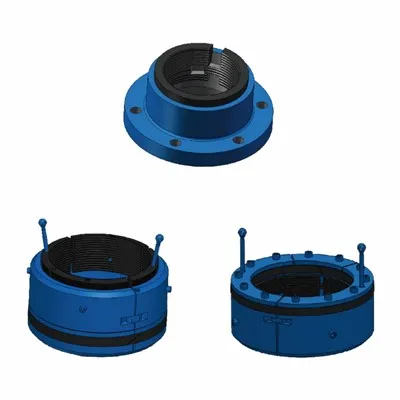
As a BOP supplier, I am committed to helping countries navigate the complex relationship between the BOP and the education sector. By providing accurate data, strategic planning, and risk management services, I aim to enhance the positive effects of the BOP on education and mitigate the negative ones.
Safety Valves If you are interested in learning more about how our BOP services can benefit your country’s education sector, please feel free to reach out to discuss potential procurement opportunities. We are eager to collaborate with you to achieve sustainable economic and educational development.
References
- Dornbusch, R., Fischer, S., & Startz, R. (2001). Macroeconomics. McGraw – Hill.
- Krugman, P. R., Obstfeld, M., & Melitz, M. J. (2015). International Economics: Theory and Policy. Pearson.
- Todaro, M. P., & Smith, S. C. (2011). Economic Development. Pearson.
Beijing LKM Energy Technology Co., Ltd.
We are one of the most professional bop manufacturers and suppliers in China, specialized in providing high quality OEM&ODM service. We warmly welcome you to buy durable bop in stock here from our factory. Also, quotation is available.
Address: Room 205, No. 40 Fuqian Street, Pinggu Town, Pinggu District, Beijing
E-mail: sales@lkmpetro.com
WebSite: https://www.lkmpetro.com/
