Hey there! I’m a rep from a water treatment supplier, and I’ve been in the pool water treatment game for quite a while. Today, I wanna break down how water treatment in swimming pools actually works. It’s not as complicated as it might seem at first glance, but there are some key things you gotta know to keep your pool water clean, clear, and safe for swimming. Water Treatment

Let’s start with the basics. The main goal of pool water treatment is to get rid of contaminants and keep the water balanced. Contaminants can come from all sorts of places – swimmers’ sweat, sunscreen, leaves, and even bugs that end up in the pool. If you don’t treat the water, it can turn into a breeding ground for bacteria, algae, and other yucky stuff.
Filtration: The First Line of Defense
The first step in pool water treatment is filtration. Most pools have a filtration system that works like a big strainer. There are three main types of filters: sand filters, cartridge filters, and diatomaceous earth (DE) filters.
Sand filters are the most common. They use a bed of sand to trap dirt and debris. As the water flows through the sand, the particles get caught in the tiny spaces between the sand grains. Over time, the sand gets clogged, and you need to backwash the filter to clean it. Backwashing is basically reversing the flow of water through the filter to flush out the trapped dirt.
Cartridge filters use a pleated cartridge made of a special filter material. These filters are more efficient than sand filters at trapping small particles. They also require less maintenance since you don’t need to backwash them. Instead, you just need to remove the cartridge and clean it with a hose or a special cleaning solution every once in a while.
DE filters are the most effective at removing small particles. They use a fine powder made from the fossilized remains of diatoms. The DE powder coats a grid inside the filter, and as the water passes through, the particles get trapped in the DE. Like sand filters, DE filters need to be backwashed periodically to remove the trapped dirt.
Chemical Treatment: Keeping the Water Balanced
Filtration is important, but it’s not enough on its own. You also need to add chemicals to the water to kill bacteria, algae, and other contaminants. The most common chemicals used in pool water treatment are chlorine, bromine, and pH adjusters.
Chlorine is the most widely used sanitizer in swimming pools. It works by releasing hypochlorous acid, which kills bacteria and other microorganisms. There are different forms of chlorine you can use, including liquid chlorine, granular chlorine, and chlorine tablets. Liquid chlorine is the most cost-effective, but it can be a bit tricky to handle. Granular chlorine is easy to use and can be added directly to the pool. Chlorine tablets are convenient because they can be placed in a floating dispenser or a chlorinator, which slowly releases the chlorine into the water.
Bromine is another sanitizer that can be used in swimming pools. It’s similar to chlorine, but it’s more stable in warm water and doesn’t have as strong of a smell. Bromine is usually used in hot tubs and spas, but it can also be used in swimming pools.
In addition to sanitizers, you also need to adjust the pH of the water. The pH scale ranges from 0 to 14, with 7 being neutral. The ideal pH range for pool water is between 7.2 and 7.8. If the pH is too low, the water can be acidic, which can cause skin and eye irritation and damage the pool equipment. If the pH is too high, the water can be alkaline, which can make the sanitizer less effective and cause scaling on the pool walls and equipment. You can use pH adjusters, such as sodium carbonate (soda ash) to raise the pH and muriatic acid to lower the pH.
Other Chemicals and Additives
There are also other chemicals and additives that you can use to keep your pool water in top condition. For example, algaecides can be used to prevent and treat algae growth. Algae can make the water green and slimy, and it can be difficult to get rid of once it takes hold. Algaecides work by killing the algae and preventing it from growing back.
Flocculants are another type of chemical that can be used to help clear up cloudy water. Flocculants work by clumping together small particles in the water, making them easier to filter out.
Stabilizers, such as cyanuric acid, can be used to protect the chlorine from being broken down by the sun’s ultraviolet rays. This helps to keep the chlorine in the water longer and makes it more effective at killing bacteria and other contaminants.
Testing the Water
Regularly testing the water is crucial to ensure that the pool water is properly balanced and safe for swimming. You can use a test kit to measure the levels of chlorine, bromine, pH, alkalinity, and other chemicals in the water. There are different types of test kits available, including test strips and liquid test kits. Test strips are the easiest to use – you just dip the strip in the water and compare the color to a chart to determine the chemical levels. Liquid test kits are more accurate, but they can be a bit more complicated to use.
You should test the water at least once a week, and more often if the pool is heavily used or if there are any changes in the weather or water conditions. Based on the test results, you can adjust the chemical levels in the water as needed.
Maintenance and Troubleshooting
Proper maintenance is key to keeping your pool water in good condition. In addition to regular testing and chemical treatment, you also need to clean the pool regularly. This includes skimming the surface of the water to remove leaves and other debris, brushing the pool walls and floor to prevent algae growth, and vacuuming the pool to remove dirt and sediment.
If you run into any problems with your pool water, such as cloudy water, algae growth, or a strong chlorine smell, don’t panic. Most problems can be fixed with a little bit of troubleshooting. For example, if the water is cloudy, it could be due to a dirty filter, low chlorine levels, or high pH. You can try backwashing the filter, adding more chlorine, or adjusting the pH to see if that helps.
Why Choose Our Water Treatment Products
As a water treatment supplier, we offer a wide range of products that are designed to keep your pool water clean, clear, and safe. Our products are made from high-quality ingredients and are backed by years of research and development. We also offer excellent customer support, so if you have any questions or need help with your pool water treatment, our team of experts is here to assist you.
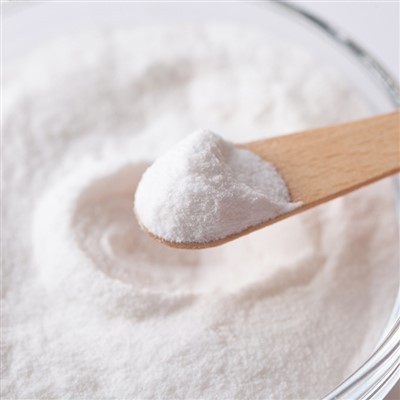
Whether you’re a pool owner, a pool service professional, or a commercial pool operator, we have the products and solutions you need to keep your pool in top condition. Our products are easy to use and are designed to be cost-effective, so you can save money while still getting the best results.
Solvents If you’re interested in learning more about our water treatment products or if you have any questions about pool water treatment, please don’t hesitate to reach out. We’d love to have a chat with you and help you find the right solutions for your pool. Contact us today to start a conversation and let’s work together to keep your pool water looking and feeling great!
References
- "Pool and Spa Water Chemistry: A Technician’s Guide" by Jeffrey Lowry
- "The Pool & Spa Operator Handbook" by the National Swimming Pool Foundation
- Various industry publications and research studies on pool water treatment
Sinoright International Trade Co., Ltd.
We’re well-known as one of the leading water treatment manufacturers and suppliers in China, featured by quality products and good price. With abundant experience, we warmly welcome you to buy bulk water treatment for sale here from our factory.
Address: NO.13-1 HESHUOYUAN, GANJINGZI DIST, DALIAN,CHINA
E-mail: harry.du@sinoright.net
WebSite: https://www.sinoright-chemicals.com/
