Gas transport pipelines play a pivotal role in the global energy market, influencing everything from supply and demand dynamics to pricing and geopolitical relations. As a supplier in the gas transport pipeline industry, I’ve witnessed firsthand how these infrastructure marvels shape the energy landscape. In this blog post, I’ll explore the multifaceted ways in which gas transport pipelines impact the energy market. Gas Transport Pipelines

Supply and Security of Gas
One of the most significant impacts of gas transport pipelines is on the supply and security of natural gas. Pipelines are the most efficient and reliable way to transport large volumes of gas over long distances. They provide a continuous flow of gas from production areas to consumption centers, ensuring a stable supply for industries, power generation, and residential use.
For example, the Trans – Siberian gas pipeline network in Russia is a cornerstone of Europe’s gas supply. It transports vast amounts of natural gas from Russia’s rich gas fields in Siberia to European countries. This pipeline system not only meets Europe’s energy needs but also enhances energy security by reducing dependence on other sources. Similarly, in North America, the extensive pipeline network connects gas – producing regions like the Permian Basin in Texas to major consumption areas, facilitating the efficient distribution of gas across the continent.
Pipelines also contribute to energy security by providing a more stable supply compared to other forms of gas transportation, such as liquefied natural gas (LNG). While LNG has its advantages, including the ability to reach markets that are not connected by pipelines, it is more vulnerable to disruptions due to factors like shipping delays, port congestion, and geopolitical tensions. In contrast, pipelines are less susceptible to these external factors, providing a more reliable and consistent supply of gas.
Pricing Dynamics
Gas transport pipelines have a profound impact on gas pricing. The cost of transporting gas through pipelines is a significant component of the final price of gas for consumers. The construction, operation, and maintenance of pipelines require substantial capital investment, and these costs are often passed on to consumers in the form of higher gas prices.
However, pipelines can also help to reduce price volatility. By providing a direct and efficient link between producers and consumers, pipelines can eliminate some of the intermediaries and market frictions that can lead to price fluctuations. For instance, in regions with well – developed pipeline infrastructure, gas prices tend to be more stable compared to areas where gas is transported primarily by other means.
Moreover, the presence of multiple pipeline routes can increase competition in the gas market. When there are several options for transporting gas, producers and consumers have more bargaining power, which can lead to more competitive pricing. For example, the Southern Gas Corridor, which aims to bring gas from the Caspian Sea region to Europe, provides an alternative to the existing Russian – sourced gas pipelines. This increased competition can put downward pressure on gas prices in Europe.
Geopolitical Influence
Gas transport pipelines are not just about energy; they also have significant geopolitical implications. Countries that control major gas pipeline routes can use them as a tool of foreign policy. For example, Russia has used its gas pipelines as a means of exerting influence over European countries. Disputes over gas supplies between Russia and Ukraine have, at times, led to disruptions in gas deliveries to Europe, highlighting the geopolitical sensitivity of gas pipelines.
On the other hand, pipeline projects can also foster cooperation between countries. The Nord Stream 2 pipeline, which runs from Russia to Germany under the Baltic Sea, is an example of a project that aims to strengthen economic and energy ties between the two countries. By providing a direct link for gas transportation, the pipeline can enhance energy security for Germany and other European countries while also benefiting Russia economically.
In addition, pipeline projects can have a significant impact on regional stability. In some cases, the development of pipelines can lead to increased economic development in the regions through which they pass. This can create jobs, boost local economies, and reduce social tensions. For example, the construction of the Iraq – Turkey gas pipeline has the potential to bring economic benefits to both countries and contribute to regional stability.
Environmental Considerations
The environmental impact of gas transport pipelines is a growing concern. While natural gas is considered a relatively clean – burning fossil fuel compared to coal and oil, the construction and operation of pipelines can have negative environmental effects.
During the construction phase, pipeline projects can cause habitat destruction, soil erosion, and water pollution. The clearing of land for pipeline right – of – ways can disrupt ecosystems and displace wildlife. In addition, the construction process may involve the use of heavy machinery, which can generate noise and air pollution.
Once operational, pipelines can pose a risk of gas leaks. Methane, the main component of natural gas, is a potent greenhouse gas. Even small leaks can contribute to climate change. Therefore, it is crucial for pipeline operators to implement strict safety and monitoring measures to minimize the risk of leaks.
However, it’s important to note that pipelines can also have some environmental advantages. Compared to other forms of gas transportation, such as LNG, pipelines generally have a lower carbon footprint. The process of liquefying and regasifying natural gas for LNG transportation requires a significant amount of energy, which can result in higher greenhouse gas emissions.
Technological Advancements
The gas transport pipeline industry is constantly evolving, with new technologies being developed to improve the efficiency, safety, and environmental performance of pipelines.
One of the key technological advancements in recent years is the use of smart pipeline systems. These systems incorporate sensors and monitoring devices that can detect leaks, corrosion, and other potential problems in real – time. By providing early warnings, smart pipeline systems can help to prevent major incidents and reduce the environmental and economic impact of pipeline failures.
Another area of technological development is in pipeline materials. New materials, such as high – strength steel and composite materials, are being used to make pipelines more durable and resistant to corrosion. These materials can extend the lifespan of pipelines and reduce the need for frequent maintenance and replacement.
In addition, advancements in pipeline construction techniques are making it possible to build pipelines in more challenging environments, such as deep – sea and arctic regions. These new construction methods are enabling the development of previously untapped gas reserves, which can have a significant impact on the global energy market.
Impact on Energy Transition
As the world moves towards a more sustainable energy future, gas transport pipelines also have a role to play in the energy transition. Natural gas is often seen as a bridge fuel between traditional fossil fuels and renewable energy sources. It can provide a reliable and relatively clean source of energy while renewable energy technologies are being developed and scaled up.
Gas pipelines can help to facilitate the integration of natural gas into the energy mix. By providing a reliable supply of gas, pipelines can support the development of gas – fired power plants, which can be used to balance the intermittent nature of renewable energy sources like wind and solar. In addition, gas can be used in industrial processes and heating applications, reducing the reliance on more carbon – intensive fuels.
However, it’s important to ensure that the transition to a low – carbon energy future is managed in a way that minimizes the environmental impact of gas pipelines. This may involve investing in technologies to reduce methane emissions from pipelines and promoting the use of renewable gases, such as biogas and hydrogen, in the pipeline network.
Conclusion
In conclusion, gas transport pipelines have a far – reaching impact on the energy market. They play a crucial role in ensuring the supply and security of natural gas, influencing pricing dynamics, and having significant geopolitical implications. While they also have environmental challenges, technological advancements are helping to mitigate these issues. As the world continues to transition towards a more sustainable energy future, gas transport pipelines will continue to be an important part of the energy infrastructure.
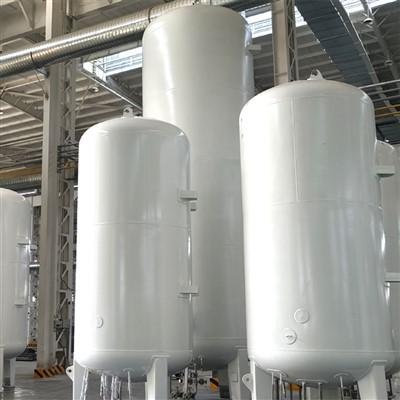
CO₂ Recovery Device If you’re interested in learning more about our gas transport pipeline solutions or are considering a procurement of our products, I encourage you to reach out to us. We have a team of experts who can provide you with detailed information and work with you to find the best solutions for your energy needs.
References
- International Energy Agency (IEA). "World Energy Outlook." Various editions.
- U.S. Energy Information Administration (EIA). "Natural Gas Pipeline Infrastructure in the United States."
- European Commission. "Energy Union Strategy."
- BP Statistical Review of World Energy.
Xinxiang Jiale Intelligent Equipment Co., Ltd.
As one of the leading gas transport pipelines manufacturers and suppliers in China, we also support customized service. Please feel free to buy high quality gas transport pipelines for sale here from our factory. Contact us for more details.
Address: No.3913, 9th Floor, Unit 3, East Commercial and Office Complex, Baolong City Plaza, Hongqi District, Xinxiang City, Henan Province, China
E-mail: cc2397410@gmail.com
WebSite: https://www.jialeasu.com/
